Territorial governance: who plans the Chancay of 2035?
A proposed institutional arrangement to coordinate public and private investment in the territory.
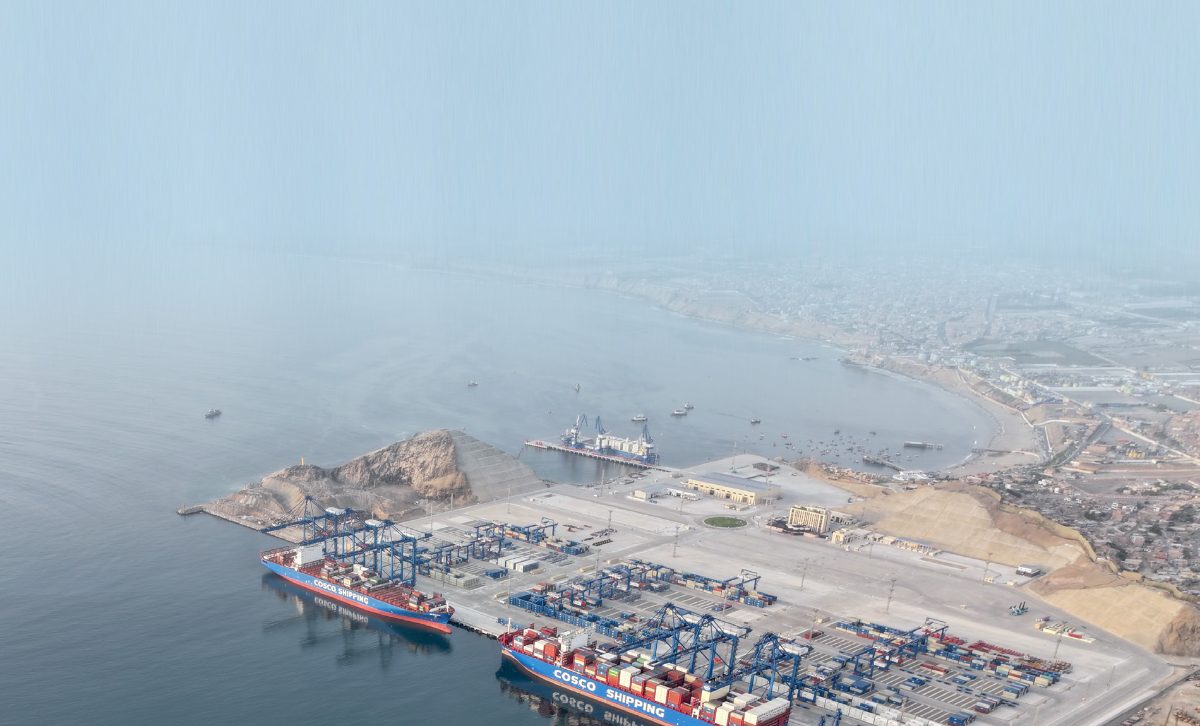
A proposed institutional arrangement to coordinate public and private investment in the territory. The Chancay megaport represents the largest logistics transformation of the Peruvian coast in decades. Its entry into operation reshapes the trade routes of the South Pacific while raising a set of challenges and opportunities for the State, businesses and coastal communities.
At the Observatory we argue that the central challenge is not only to attract investment, but to ensure that this investment translates into concrete well-being for citizens. That requires capable institutions, high-quality public information and a long-term view of the territory.
“The Chancay megaport is an opportunity for the public sector to create conditions so that private investment yields real benefits for citizens.”
— Joanna Kamiche ZegarraEvidence and scenarios
The analysis that follows draws on the available evidence and on the comparative experience of other port corridors in the region. We aim to offer a rigorous diagnosis, but also actionable proposals for the different levels of government.
The data show that the pace of demographic and economic growth in the district will comfortably exceed previous projections. Anticipating demand for basic services, housing and mobility will be decisive in avoiding preventable social costs.
Policy recommendations
- Strengthen local institutional capacity ahead of demand.
- Publish open, comparable data on the area of influence.
- Coordinate complementary public investment across government levels.
Finally, we recall that environmental sustainability and competitiveness are not opposing goals. Modern port governance can and must integrate both horizons into a single development agenda.